Traumatic Brain Injury (TBI) Psychiatric Care in Reston, Virginia
Specialized psychiatric evaluation and treatment for emotional, cognitive, and behavioral symptoms following brain injury, serving patients across Virginia
Understanding Traumatic Brain Injury and Psychiatric Care in Virginia
Traumatic Brain Injury (TBI) can affect far more than physical functioning. Many individuals experience lasting changes in mood, cognition, behavior, sleep, and emotional regulation following a brain injury. These symptoms may appear immediately after the injury or develop gradually over time, often interfering with daily life, relationships, and work.
At Comprehensive Psychiatry in Reston, Virginia, traumatic brain injury–related psychiatric symptoms are carefully evaluated and treated by Dr. Imran Akram, MD, a board-certified adult and geriatric psychiatrist. Care focuses on identifying brain injury–related mental health changes, differentiating them from primary psychiatric conditions, and developing individualized treatment plans using evidence-based psychiatric care. Services are available in Reston and throughout Virginia via secure telepsychiatry.
What Is Traumatic Brain Injury (TBI)?
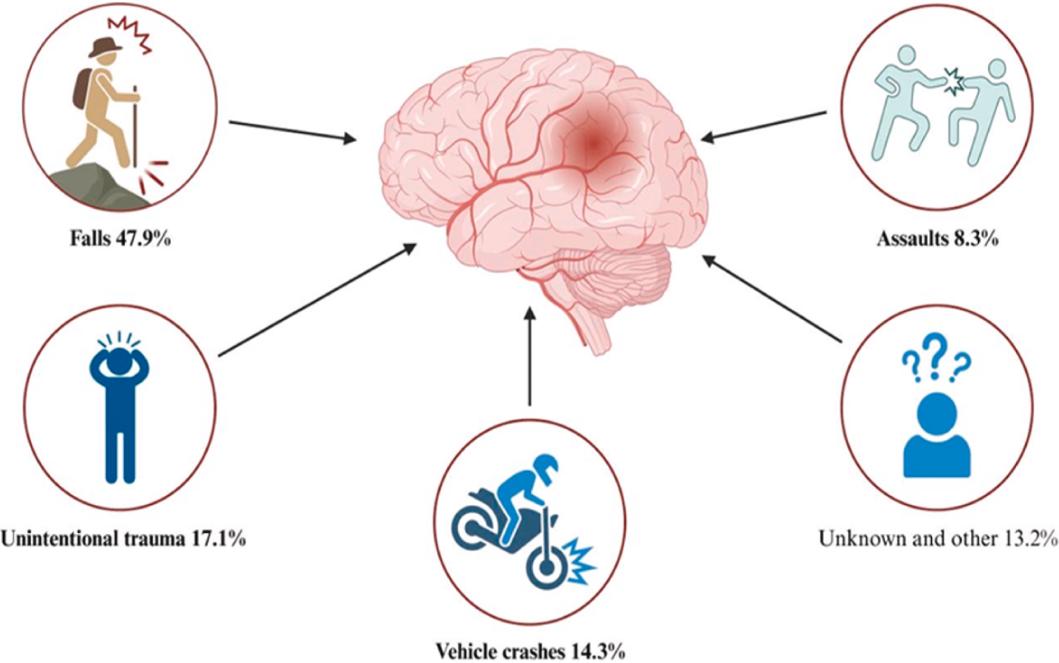
Traumatic Brain Injury is a disruption in normal brain function caused by an external force to the head. TBIs can range from mild (such as concussions) to moderate or severe injuries and may result from falls, motor vehicle accidents, sports injuries, assaults, or work-related accidents.
While some individuals recover fully, others experience persistent symptoms that affect thinking, emotions, behavior, and mental health. Even mild TBIs can lead to long-term psychiatric symptoms, especially when injuries are repeated or combined with emotional trauma.
Because brain injury symptoms often overlap with anxiety, depression, PTSD, or cognitive disorders, professional psychiatric evaluation is essential for accurate diagnosis and appropriate treatment.
Common Psychiatric Symptoms After Traumatic Brain Injury
Psychiatric and cognitive symptoms following TBI may include:
- Mood changes such as depression, irritability, or emotional numbness
- Anxiety, panic symptoms, or heightened stress sensitivity
- Difficulty with concentration, memory, or decision-making
- Sleep disturbances, including insomnia or fragmented sleep
- Increased impulsivity or emotional reactivity
- Personality or behavioral changes noticed by family members
- Fatigue and reduced stress tolerance
According to the National Institute of Mental Health (NIMH), brain injuries can significantly affect emotional regulation and mental health, even when imaging studies appear normal.
What Causes Long-Term Mental Health Problems After TBI?
Mental health symptoms after TBI may result from direct injury to brain structures, changes in neurotransmitter function, or disruption of emotional regulation pathways. Psychological stress related to the injury, loss of independence, chronic pain, or trauma surrounding the event can further contribute to psychiatric symptoms.
In some cases, symptoms worsen over time rather than improving, particularly without proper psychiatric care. This is why evaluation by a psychiatrist experienced in brain injury–related conditions is critical.
Can a Psychiatrist Treat Traumatic Brain Injury–Related Symptoms?
Yes. While neurologists often focus on the structural and physical aspects of brain injury, psychiatrists play a key role in treating the emotional, cognitive, and behavioral effects of TBI.
A psychiatrist evaluates how brain injury has affected mood, anxiety levels, cognition, impulse control, and sleep. Psychiatric care is especially important when symptoms interfere with daily functioning or resemble conditions such as depression, PTSD, anxiety disorders, or personality changes following injury.
Psychiatrists also manage medications that support emotional stability, cognitive functioning, and sleep while carefully considering brain injury–specific sensitivities.
Our Approach to Traumatic Brain Injury Treatment and How We Help
Comprehensive Psychiatric Evaluation for TBI
Treatment begins with a detailed psychiatric evaluation focused on understanding the nature of the brain injury, timing of symptoms, cognitive and emotional changes, medical history, and any co-occurring conditions such as PTSD, depression, or anxiety. This evaluation helps determine whether symptoms are directly related to TBI, trauma, or a combination of factors.
Patients seeking psychiatric evaluation for traumatic brain injury in Reston, Virginia or statewide via telepsychiatry receive careful, individualized assessment.
Medication Management After Brain Injury
Medication management for TBI-related psychiatric symptoms is available at Comprehensive Psychiatry in Reston and across Virginia. When appropriate, medications may help address mood instability, depression, anxiety, impulsivity, irritability, or sleep disturbances.
Medication plans are selected cautiously, starting with low doses and adjusted gradually to minimize side effects and cognitive impact, which is especially important following brain injury.
Coordination With Therapy and Rehabilitation
Psychiatric care is often coordinated with psychotherapy, neuropsychological services, or rehabilitation providers when appropriate. This integrated approach supports emotional recovery, coping skills, and long-term stabilization while ensuring psychiatric oversight.
Long-Term Psychiatric Care for Brain Injury
Traumatic brain injury symptoms can evolve over time. Ongoing psychiatric follow-up helps monitor symptom progression, adjust treatment as needed, and support long-term emotional and cognitive health rather than short-term symptom suppression.
Telepsychiatry for Traumatic Brain Injury Across Virginia
Secure telepsychiatry allows patients across Virginia to access specialized psychiatric care for TBI from home. Online psychiatric services are particularly helpful for individuals with mobility limitations, fatigue, or difficulty traveling after brain injury.
Why Patients Trust Comprehensive Psychiatry for Brain Injury Care
Patients choose Comprehensive Psychiatry for traumatic brain injury–related care because of the clinic’s experience in treating complex psychiatric conditions,trauma-related disorders, and neuropsychiatric symptoms. Care is provided by a board-certified psychiatrist with experience in both acute and long-term psychiatric management.
Treatment is personalized, evidence-based, and focused on improving quality of life while respecting the unique challenges associated with brain injury.
Serving Reston, Virginia and Statewide via Telepsychiatry
Comprehensive Psychiatry provides psychiatric care for traumatic brain injury patients in Reston, Virginia, and throughout the state via secure telepsychiatry. Services are confidential, accessible, and designed to support recovery at every stage
Schedule a Confidential Traumatic Brain Injury Evaluation
If you or a loved one are experiencing emotional, cognitive, or behavioral changes following a brain injury, professional psychiatric care can help. Schedule a confidential evaluation to discuss traumatic brain injury treatment options tailored to your needs.