Tic Disorder Treatment in Reston, Virginia
Specialized psychiatric care for tic disorders, serving patients across Virginia through in-person and secure telepsychiatry
Understanding Tic Disorders and Psychiatric Treatment in Virginia
Tic disorders are neurodevelopmental conditions characterized by sudden, repetitive, and involuntary movements or sounds known as tics. These symptoms can range from mild and transient to persistent and functionally impairing, affecting concentration, emotional well-being, social interactions, and daily life.
At Comprehensive Psychiatry in Reston, Virginia, tic disorders are carefully evaluated and treated by Dr. Imran Akram, MD, a board-certified adult and geriatric psychiatrist. Treatment focuses on accurate diagnosis, identifying contributing psychiatric or neurological factors, and creating individualized care plans using evidence-based psychiatric approaches. Care is available both in-person in Reston and statewide through secure telepsychiatry across Virginia.
Many individuals with tic disorders also experience co-occurring conditions such as ADHD, anxiety disorders, obsessive-compulsive disorder (OCD), or mood disorders. A psychiatric evaluation is essential to understand the full clinical picture and guide appropriate treatment.

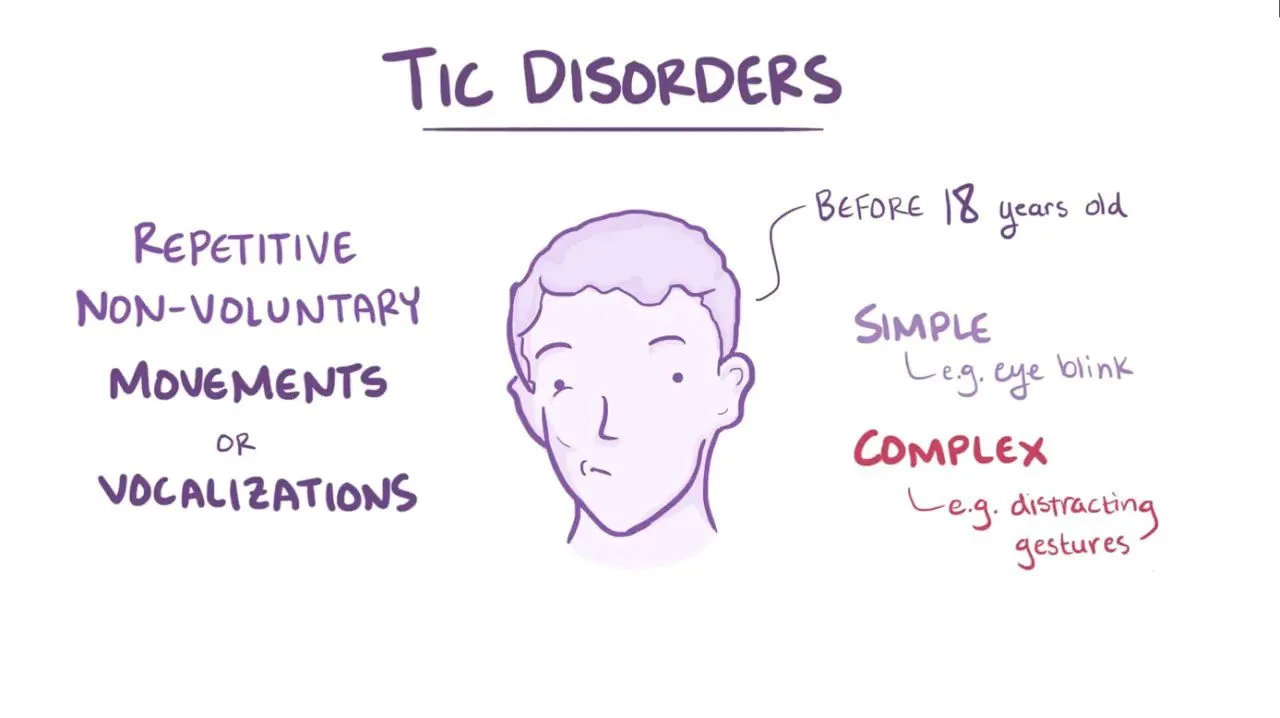
What Is Tic Disorder?
A tic disorder is a condition involving sudden, rapid, recurrent, non-rhythmic movements or vocalizations that are difficult to control. Tics are not intentional and may temporarily worsen with stress, anxiety, fatigue, or excitement.
Tic disorders are classified based on the type and duration of symptoms and may include:
- Provisional Tic Disorder (tics present for less than one year)
- Persistent (Chronic) Motor or Vocal Tic Disorder
- Tourette Syndrome, which involves both motor and vocal tics lasting longer than one year
According to the National Institute of Mental Health (NIMH), tic disorders often begin in childhood but may persist into adolescence or adulthood. While some individuals experience improvement over time, others require ongoing psychiatric care to manage symptoms effectively.
Tic Disorder Symptoms, Causes, and Psychiatric Care
Common Symptoms of Tic Disorders
Tic symptoms vary in type and severity and may change over time. Common examples include repetitive blinking, facial grimacing, shoulder shrugging, throat clearing, sniffing, or vocal sounds. Tics may increase during periods of emotional stress or fatigue and decrease during focused activities.
In some individuals, tics can cause embarrassment, social withdrawal, difficulty at school or work, and emotional distress, particularly when symptoms are misunderstood or untreated.
What Causes Tic Disorders?
The exact cause of tic disorders is not fully understood, but research suggests a combination of genetic, neurological, and environmental factors. Differences in brain circuits involved in movement control and impulse regulation play a role. Tic disorders are not caused by poor parenting, stress alone, or behavioral problems, though stress can worsen symptoms.
Tic disorders frequently co-occur with ADHD, OCD, anxiety disorders, and mood disorders, making psychiatric evaluation essential for accurate diagnosis and treatment planning.
Can a Psychiatrist Treat Tic Disorders?
Yes. Psychiatrists play a central role in diagnosing and treating tic disorders, especially when symptoms are persistent, distressing, or associated with other mental health conditions. A psychiatrist evaluates symptom patterns, severity, functional impact, and co-occurring psychiatric conditions to guide treatment decisions.
Our Approach to Tic Disorder Treatment and How We Help
Comprehensive Psychiatric Evaluation for Tic Disorders
Tic disorder treatment begins with a detailed psychiatric evaluation to assess tic history, onset, severity, triggers, and associated emotional or behavioral symptoms. This evaluation helps distinguish tic disorders from other neurological or psychiatric conditions and identify co-occurring disorders such as ADHD or OCD.
Medication Management for Tic Disorders
When appropriate, medication management may be used to reduce the frequency or intensity of tics and address associated symptoms such as anxiety, impulsivity, or mood instability. Medication plans are individualized, carefully monitored, and adjusted over time to ensure effectiveness and tolerability.
Psychiatric Coordination and Behavioral Therapy Integration
While psychiatrists focus on diagnosis and medication management, treatment may also involve coordination with behavioral therapies such as habit reversal training (HRT) or comprehensive behavioral intervention for tics (CBIT), when indicated. This integrated approach supports long-term symptom control and functional improvement.
Long-Term Symptom Monitoring and Support
Tic disorders can fluctuate over time. Ongoing psychiatric follow-up helps monitor symptom changes, manage co-occurring conditions, and adjust treatment plans as needed to support emotional well-being and daily functioning.
Why Patients Trust Comprehensive Psychiatry for Tic Disorder Care
Board-certified psychiatric expertise
Experience treating neurodevelopmental and co-occurring psychiatric conditions
Individualized, evidence-based treatment plans
Careful medication management and follow-up
Respectful, patient-centered approach focused on long-term well-being
Serving Reston and All of Virginia
Comprehensive Psychiatry proudly serves individuals and families in Reston, Virginia, and throughout the state via secure telepsychiatry. Whether symptoms are newly emerging or long-standing, professional psychiatric care can help improve symptom control and quality of life.
Schedule a Confidential Tic Disorder Evaluation
If you or a loved one is experiencing persistent tics or related mental health concerns, professional psychiatric evaluation can help clarify the diagnosis and guide effective treatment. Appointments are available in Reston and statewide across Virginia.