Post-Traumatic Stress Disorder (PTSD) Treatment in Reston, Virginia
Specialized psychiatric care for PTSD, serving individuals across Virginia through in-person and secure telepsychiatry.
Understanding Post-Traumatic Stress Disorder and PTSD Treatment in Virginia
Post-Traumatic Stress Disorder (PTSD) is a trauma-related mental health condition that can develop after exposure to a traumatic or life-threatening event. Trauma may include accidents, assault, abuse, military combat, medical trauma, natural disasters, or witnessing serious harm. While distress after trauma is common, PTSD occurs when symptoms persist, intensify, and interfere with daily functioning.
At Comprehensive Psychiatry in Reston, Virginia, PTSD is carefully evaluated and treated by Dr. Imran Akram, MD, a board-certified adult and geriatric psychiatrist. Treatment focuses on accurate diagnosis, stabilization of trauma-related symptoms, and long-term recovery using evidence-based psychiatric care. Services are available for patients in Reston and throughout Virginia via secure telepsychiatry, allowing access to care from home when needed.
PTSD treatment is individualized, recognizing that trauma affects each person differently. Care may involve psychiatric evaluation, medication management, trauma-informed therapy integration, and ongoing monitoring to support emotional regulation, sleep, concentration, and quality of life.
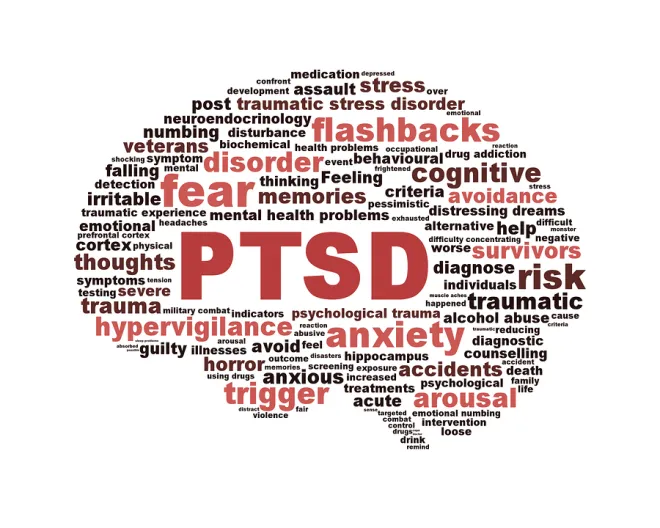
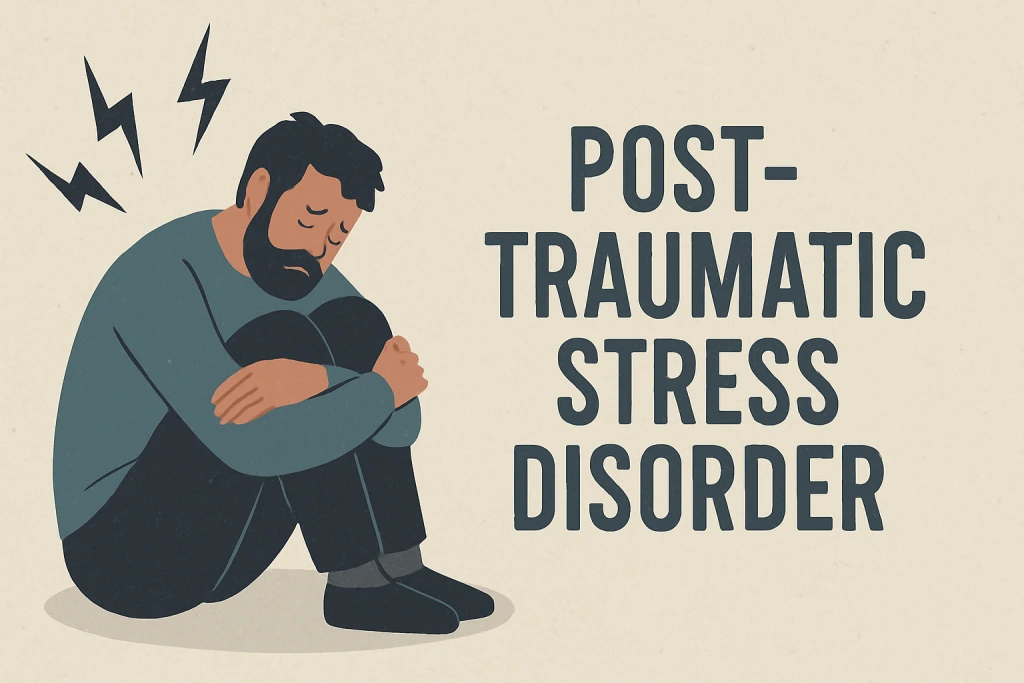
What Is Post-Traumatic Stress Disorder (PTSD)?
Post-Traumatic Stress Disorder is a psychiatric condition that develops when the brain and nervous system remain in a prolonged state of threat after a traumatic experience has passed. Instead of returning to a sense of safety, the body continues to react as though danger is ongoing.
PTSD is characterized by persistent symptoms lasting longer than one month and causing significant distress or impairment in work, relationships, or daily functioning. These symptoms are not a sign of weakness or failure to cope- they reflect changes in how the brain processes fear, memory, and stress following trauma.
According to the National Institute of Mental Health (NIMH), PTSD is a common and treatable mental health condition when properly diagnosed and addressed with professional care.
Common Symptoms of PTSD
PTSD symptoms generally fall into four categories and may vary in severity over time:
Intrusive Symptoms
- Recurrent distressing memories or flashbacks
- Nightmares related to the trauma
- Emotional or physical distress when reminded of the event
Avoidance Symptoms
- Avoiding places, people, or situations linked to the trauma
- Suppressing thoughts or feelings related to the experience
Negative Changes in Mood and Thinking
- Persistent fear, guilt, shame, or emotional numbness
- Difficulty experiencing positive emotions
- Memory gaps related to the traumatic event
- Feelings of detachment from others
Hyperarousal and Reactivity
- Being constantly on edge or easily startled
- Irritability or anger outbursts
- Difficulty concentrating
- Sleep disturbances or insomnia
Because PTSD symptoms overlap with anxiety disorders, depression, panic disorder, and sleep disorders, psychiatric evaluation is essential for accurate diagnosis.
What Causes PTSD?
PTSD develops in response to trauma, but not everyone exposed to trauma will develop the condition. Risk factors may include:
- Severity or duration of the traumatic event
- Repeated or chronic trauma
- Prior mental health conditions
- Lack of social support after trauma
- Biological and neurological vulnerability
Trauma can alter how the brain regulates fear and stress, leading to long-lasting changes in emotional processing. Understanding these mechanisms helps guide effective psychiatric treatment.
Can a Psychiatrist Treat PTSD?
Yes. A psychiatrist plays a central role in the diagnosis and treatment of Post-Traumatic Stress Disorder, especially when symptoms are persistent, severe, or interfering with daily life. PTSD is a medical condition involving changes in how the brain processes fear, stress, and memory, which is why psychiatric care is often essential.
A psychiatrist can conduct a comprehensive psychiatric evaluation to confirm a PTSD diagnosis, differentiate it from anxiety disorders or depression, and identify any co-occurring conditions such as panic disorder, sleep disorders, or substance use. Psychiatrists are also qualified to provide medication management for PTSD, monitor symptom progression, and coordinate care with trauma-informed therapists when psychotherapy is indicated.
For individuals experiencing flashbacks, intrusive thoughts, emotional numbness, hypervigilance, or trauma-related sleep disturbances, psychiatric treatment can help stabilize symptoms and support long-term recovery.
Treatment Options for Sleep Terrors in Virginia
Comprehensive Psychiatric Evaluation for PTSD
PTSD treatment begins with a detailed psychiatric evaluation focused on trauma history, symptom patterns, duration, severity, and functional impact. This evaluation helps determine whether symptoms meet diagnostic criteria for PTSD and identifies related conditions that may influence treatment. A thorough assessment allows for accurate diagnosis and ensures that treatment is personalized rather than generalized.
Patients seeking a PTSD evaluation in Reston, Virginia or statewide through telepsychiatry receive careful, confidential assessment designed to guide effective long-term care.
Medication Management for PTSD
Medication management for PTSD is available at Comprehensive Psychiatry in Reston, Virginia and through secure telepsychiatry across the state. When clinically appropriate, medications may be used to reduce intrusive thoughts, anxiety, mood instability, irritability, and trauma-related sleep disturbances.
Medication decisions are made after psychiatric evaluation and are tailored to each individual’s symptoms, medical history, and treatment goals. Ongoing follow-up ensures medications remain effective, well-tolerated, and adjusted as symptoms evolve.
Psychotherapy Integration and Coordinated Care
While psychiatric care focuses on diagnosis and medication management, treatment is often coordinated with trauma-informed psychotherapy when appropriate. This integrated approach supports emotional processing, coping strategies, and long-term symptom improvement while ensuring psychiatric oversight for complex or overlapping conditions.
Trauma-Informed, Long-Term Psychiatric Care
PTSD often requires ongoing management rather than short-term intervention alone. Treatment emphasizes stabilization, symptom reduction, and sustained improvement in daily functioning. Care is paced, collaborative, and designed to support recovery without re-traumatization.
Online PTSD Treatment Through Telepsychiatry in Virginia
Secure telepsychiatry allows individuals across Virginia to access PTSD treatment from home. Online psychiatric care is especially helpful for patients who experience avoidance, anxiety about leaving home, or limited access to local specialists. Telepsychiatry provides the same level of confidentiality, evaluation, and medication management as in-person care.
Why Patients Trust Comprehensive Psychiatry for Sleep Disorder Treatment
Board-certified psychiatric care
Evidence-based treatment approaches
Trauma-informed and patient-centered care
Confidential, judgment-free environment
Experience treating complex and chronic mental health conditions
Serving Reston and All of Virginia
Comprehensive Psychiatry is conveniently located in Reston, Virginia, and proudly serves patients statewide through secure telepsychiatry. Whether seeking in-person care or remote psychiatric support, PTSD treatment is accessible across Virginia.
Schedule a Confidential PTSD Evaluation
If trauma-related symptoms are affecting your sleep, emotions, relationships, or daily life, professional help is available. Early evaluation and treatment can make a meaningful difference.
Schedule a confidential PTSD evaluation today and take the next step toward stability, recovery, and improved mental well-being.