Perimenopausal & Postmenopausal Mental Health Care in Reston, Virginia
Comprehensive psychiatric evaluation and treatment for hormone-related mood, anxiety, and cognitive changes, serving women in Reston, Virginia and across the state through secure telepsychiatry.
Understanding Perimenopausal and Postmenopausal Mental Health Treatments in Virginia
Perimenopause and postmenopause are major hormonal transition phases that can significantly affect emotional health, cognitive function, sleep, and overall mental well-being. While these life stages are natural, the psychiatric symptoms that accompany hormonal fluctuations are real, medically recognized, and often disruptive when left untreated.
At Comprehensive Psychiatry in Reston, Virginia, perimenopausal and postmenopausal mental health conditions are carefully evaluated and treated by Dr. Imran Akram, MD, a board-certified adult and geriatric psychiatrist. Care focuses on identifying hormone-related mood and anxiety patterns, differentiating psychiatric symptoms from medical or situational causes, and developing individualized treatment plans using evidence-based psychiatric care. Services are available in-person in Reston and statewide through secure telepsychiatry.
What Are Perimenopausal and Postmenopausal Mental Health Disorders?
Perimenopause refers to the transitional years leading up to menopause, while postmenopause begins after menstrual cycles have ended. During these stages, fluctuations and declines in estrogen and progesterone can affect brain chemistry, neurotransmitter balance, and emotional regulation.
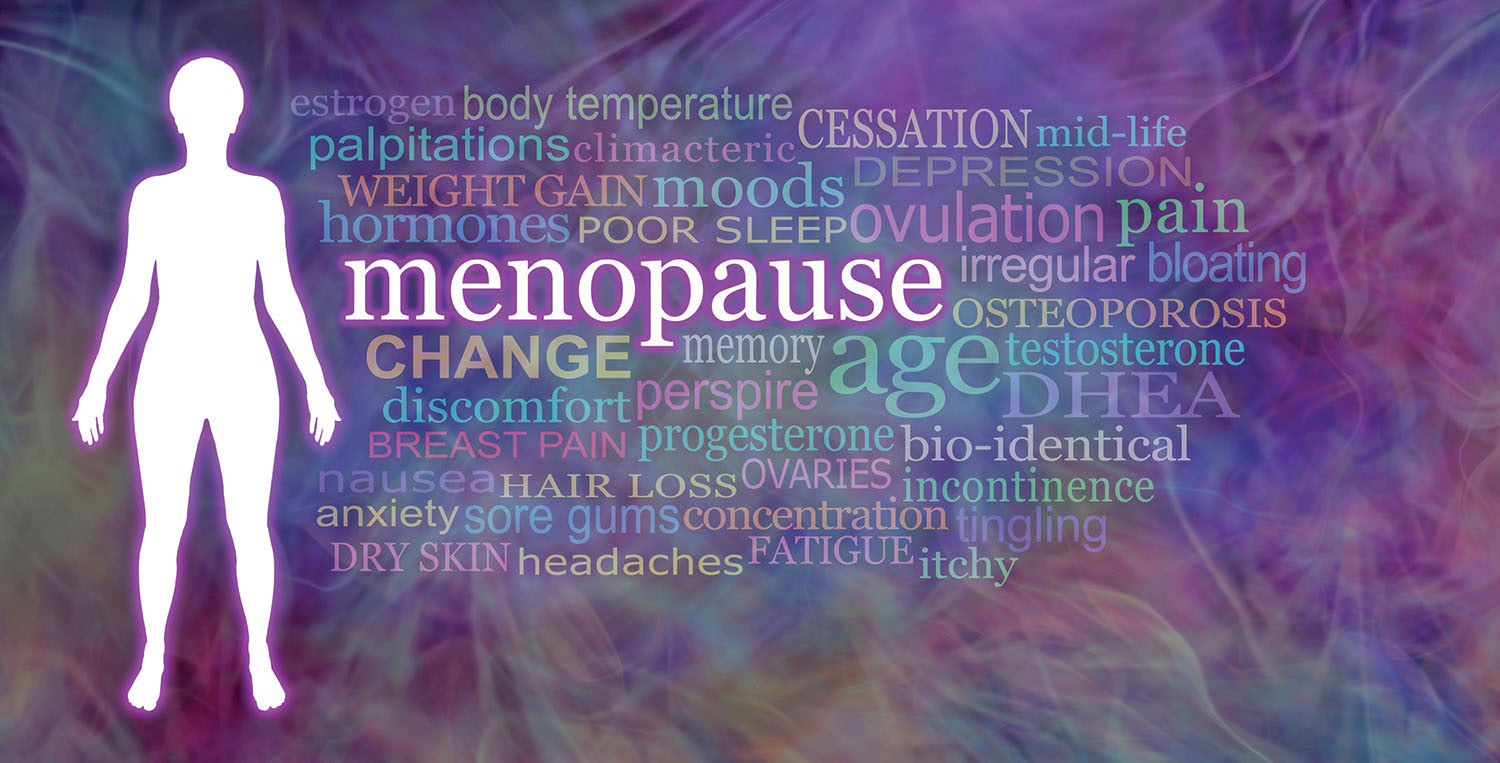
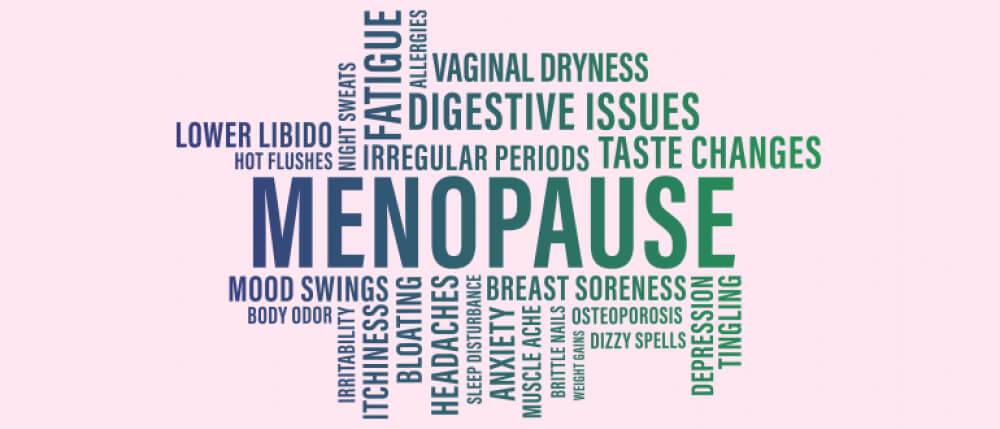
Mental health symptoms during perimenopause and postmenopause may include mood instability, anxiety, depression, cognitive changes, sleep disturbances, and increased emotional sensitivity. These symptoms are not simply “stress” or normal aging, they can represent treatable psychiatric conditions that benefit from professional evaluation and care.
Because symptoms may overlap with major depressive disorder, anxiety disorders, panic disorder, or cognitive changes related to aging, psychiatric assessment is essential for accurate diagnosis and effective treatment.
Common Symptoms and Causes
Common Symptoms During Perimenopause and Postmenopause
Mental health symptoms vary in severity and presentation but commonly include:
- Persistent sadness or low mood
- Anxiety, nervousness, or excessive worry
- Mood swings or emotional reactivity
- Irritability or increased sensitivity
- Difficulty concentrating or memory changes (“brain fog”)
- Sleep disturbances or insomnia
- Fatigue or low motivation
- Loss of interest in previously enjoyed activities
- Increased stress tolerance issues
Symptoms may fluctuate over time and often worsen without appropriate psychiatric care.
What Causes Mental Health Changes During Menopause?
Psychiatric symptoms during perimenopause and postmenopause are influenced by multiple factors, including:
- Hormonal fluctuations affecting serotonin and dopamine regulation
- Estrogen decline impacting mood, cognition, and sleep
- History of mood or anxiety disorders
- Chronic stress, caregiving responsibilities, or life transitions
- Sleep disruption and physical health changes
Understanding these contributing factors allows for targeted, personalized psychiatric treatment rather than generalized symptom management.
Can a Psychiatrist Treat Perimenopausal and Postmenopausal Mental Health Conditions?
Yes. Ongoing psychiatric care from Dr. Imran Akram, MD, a board-certified adult and geriatric psychiatrist in Virginia plays a critical role in evaluating and treating mental health conditions related to hormonal transitions. Psychiatric care focuses on identifying symptom patterns, ruling out overlapping disorders, and developing a treatment plan that supports emotional stability and long-term mental wellness.
Psychiatric treatment may be appropriate even for individuals who have never experienced mental health conditions before menopause.
Our Approach to Perimenopausal & Postmenopausal Mental Health Treatment
Comprehensive Evaluation
A thorough psychiatric assessment evaluates symptom history, hormonal timing, sleep patterns, medical history, and co-occurring conditions. This allows for accurate diagnosis and prevents misattributing psychiatric symptoms to aging or situational stress alone.
Medication Management
When clinically appropriate, medication may be used to address mood instability, anxiety, depression, or sleep disturbances associated with hormonal changes. Treatment is carefully monitored and adjusted to achieve symptom relief while minimizing side effects.
Psychotherapy Integration
Psychotherapy may be incorporated to help individuals manage emotional changes, develop coping strategies, and navigate life transitions associated with midlife and menopause. Therapy supports resilience, emotional regulation, and long-term mental health
Telepsychiatry Across Virginia
Secure telepsychiatry allows women throughout Virginia to access specialized psychiatric care from home. Virtual visits provide continuity, privacy, and convenience while maintaining high standards of clinical care.
Why Patients Trust Comprehensive Psychiatry for Women’s Mental Health
Board-certified psychiatric expertise
Specialized experience with hormone-related mental health conditions
Personalized, evidence-based treatment planning
Ongoing monitoring and long-term care
Confidential, compassionate, patient-centered approach
Serving Reston and All of Virginia
Comprehensive Psychiatry is located in Reston, Virginia and provides psychiatric care across the state through secure telepsychiatry. Whether attending in person or virtually, patients receive professional, discreet, and accessible mental health care.
Schedule a Confidential Evaluation
Schedule a confidential perimenopausal or postmenopausal mental health evaluation today and take the next step toward emotional balance and well-being