Panic Disorder & Panic Attack Treatment in Reston, Virginia
Expert psychiatric care for panic attacks and panic disorder, provided by experienced, board-certified mental health professionals serving patients all across Virginia
Understanding Panic Disorder and Panic Attack Treatment in Virginia
Panic disorder is more than occasional anxiety or stress. It is a psychiatric condition marked by sudden, intense panic attacks and an ongoing fear of when the next episode might occur. These attacks can feel terrifying and physically overwhelming, often leading people to believe they are having a heart attack, losing control, or facing a medical emergency.
At Comprehensive Psychiatry in Reston, Virginia, panic disorder is evaluated and treated with medical precision and compassion. Care is led by Dr. Imran Akram, MD, A board-certified adult and geriatric psychiatrist with extensive experience treating anxiety and panic-related conditions. Patients receive evidence-based psychiatric care focused on reducing panic symptoms, restoring confidence, and improving long-term functioning. Treatment is available in Reston and throughout Virginia via secure telepsychiatry.

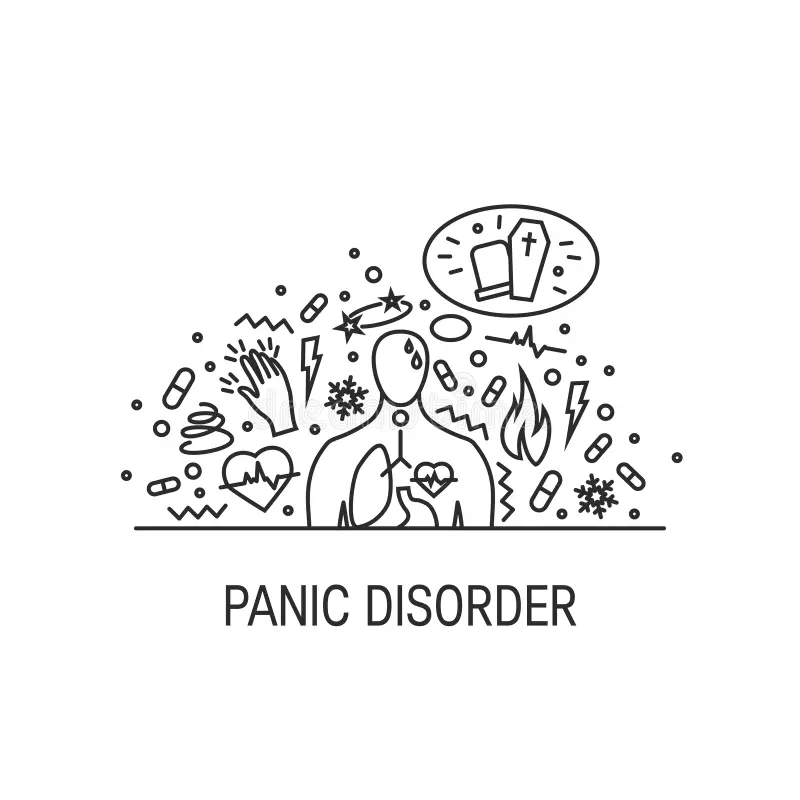
What Is Panic Disorder?
Panic disorder is an anxiety disorder characterized by recurrent, unexpected panic attacks followed by persistent concern about future attacks or changes in behavior to avoid triggering another episode. Panic attacks typically peak within minutes and can occur without warning, even in calm or familiar environments.
Individuals with panic disorder often describe a constant sense of vigilance- monitoring bodily sensations, avoiding certain places, or fearing situations where escape might feel difficult. Because symptoms can overlap with medical conditions or other mental health disorders, professional psychiatric evaluation is essential for accurate diagnosis.
According to the National Institute of Mental Health (NIMH), panic disorder commonly begins in adulthood and may worsen over time if left untreated.
Panic Attacks vs. Panic Disorder: Understanding the Difference
A panic attack is a sudden surge of intense fear or discomfort that may happen once or twice in a person’s life, often during periods of extreme stress. Panic disorder, however, involves a pattern of repeated panic attacks combined with ongoing fear and behavioral changes.
Panic disorder is diagnosed when:
- Panic attacks occur repeatedly and unpredictably
- There is persistent fear of future attacks
- Daily activities are altered to avoid potential triggers
Because panic symptoms can closely resemble cardiac or respiratory conditions, psychiatric assessment plays a critical role in ruling out medical causes and confirming an accurate diagnosis.
Common Symptoms of Panic Disorder
Panic disorder may present with both physical and psychological symptoms, including:
- Sudden waves of intense fear or terror
- Racing heart, chest pain, or palpitations
- Shortness of breath or choking sensations
- Dizziness, lightheadedness, or feeling faint
- Sweating, trembling, or shaking
- Nausea or abdominal discomfort
- Fear of losing control, dying, or “going crazy”
- Ongoing anxiety between panic attacks
Mental health organizations such as the American Psychiatric Association and Psychology Today note that untreated panic disorder can lead to avoidance behaviors and, in some cases, agoraphobia.
How we Help Patients Suffering from Panic Disorders
Comprehensive Psychiatric Evaluation for Panic Disorder
Effective panic disorder treatment begins with a thorough psychiatric evaluation, not assumptions. At Comprehensive Psychiatry in Reston, Dr. Akram conducts detailed assessments that look beyond surface symptoms.
Evaluation includes careful review of:
- Panic attack patterns, frequency, and triggers
- Physical symptoms and prior medical evaluations
- Fear of recurrence and avoidance behaviors
- Sleep quality and stress response
- Medical history and medication use
- Co-existing conditions such as anxiety or depression
This depth of evaluation helps prevent misdiagnosis, avoids unnecessary testing, and ensures treatment addresses the true cause of symptoms rather than masking them.
Panic Disorder Treatment and Medication Management
Treatment for panic disorder is individualized and guided by evidence-based psychiatric care. Medication management may be used to reduce the intensity and frequency of panic attacks while improving emotional regulation and physical comfort.
Medication plans are carefully selected and adjusted over time based on response, side effects, and overall health. Follow-up appointments play a key role in monitoring progress and ensuring stability. Treatment focuses not only on symptom relief but also on restoring confidence and daily functioning.
When appropriate, collaboration with psychotherapy providers may be recommended. Research supported by the National Institute of Mental Health shows that a combination of medication and psychotherapy, such as cognitive behavioral therapy (CBT), can be highly effective for panic disorder.
Panic Disorder Treatment From Home Anywhere in Virginia
Comprehensive Psychiatry offers telepsychiatry services across the entire state of Virginia, allowing patients to receive panic disorder treatment from the comfort and privacy of home. Virtual appointments meet the same clinical standards as in-person care and are conducted through secure, confidential platforms.
Telepsychiatry is especially helpful for individuals who avoid travel due to panic symptoms, experience difficulty leaving home, or prefer flexible access to psychiatric care.
Why Patients Trust Comprehensive Psychiatry for Panic Disorder Care
Patients choose Comprehensive Psychiatry because care is led directly by a board-certified psychiatrist, not rushed or fragmented. Dr. Akram brings more than a decade of experience treating panic disorder and anxiety-related conditions, along with a reputation for listening carefully and providing consistent, thoughtful care.
Many patients report feeling understood, reassured, and supported throughout their treatment. Continuity, clinical clarity, and ongoing follow-up are central to the practice’s approach.
Serving Reston and Communities Across Virginia
Comprehensive Psychiatry is based in Reston, VA, offering in-person psychiatric services to patients from nearby areas including Herndon, Vienna, Fairfax, Tysons, Ashburn, Arlington, Alexandria, and Loudoun County. In addition to local care, telepsychiatry appointments allow individuals throughout Virginia to receive specialized psychiatric treatment without leaving home.
Whether care is delivered in the office or virtually, all patients receive the same level of medical attention, privacy, and continuity. This approach ensures access to expert psychiatric care regardless of location or schedule constraints.
Schedule a Confidential Panic Disorder Evaluation
If panic attacks or ongoing fear are affecting your daily life, a professional psychiatric evaluation can help clarify what is happening and outline appropriate treatment options. Schedule a private appointment with Dr. Imran Akram, MD, to begin panic disorder treatment guided by experienced psychiatric care.