Dysthymia (Persistent Depressive Disorder) Treatment in Reston, Virginia
Specialized Psychiatric Care for Long-Term Depression Across Virginia
Understanding Bipolar Disorder and Its Impact on Daily Life
Dysthymia, clinically known as Persistent Depressive Disorder (PDD), is a chronic mood disorder marked by ongoing depressive symptoms that last for years rather than weeks or months. Unlike major depression, dysthymia may not always feel overwhelming, but its persistence can quietly affect emotional well-being, relationships, work performance, and overall quality of life.
At Comprehensive Psychiatry, we provide comprehensive psychiatric evaluation and treatment for dysthymia, offering in-person care in Reston, Virginia, and telepsychiatry services throughout the state.

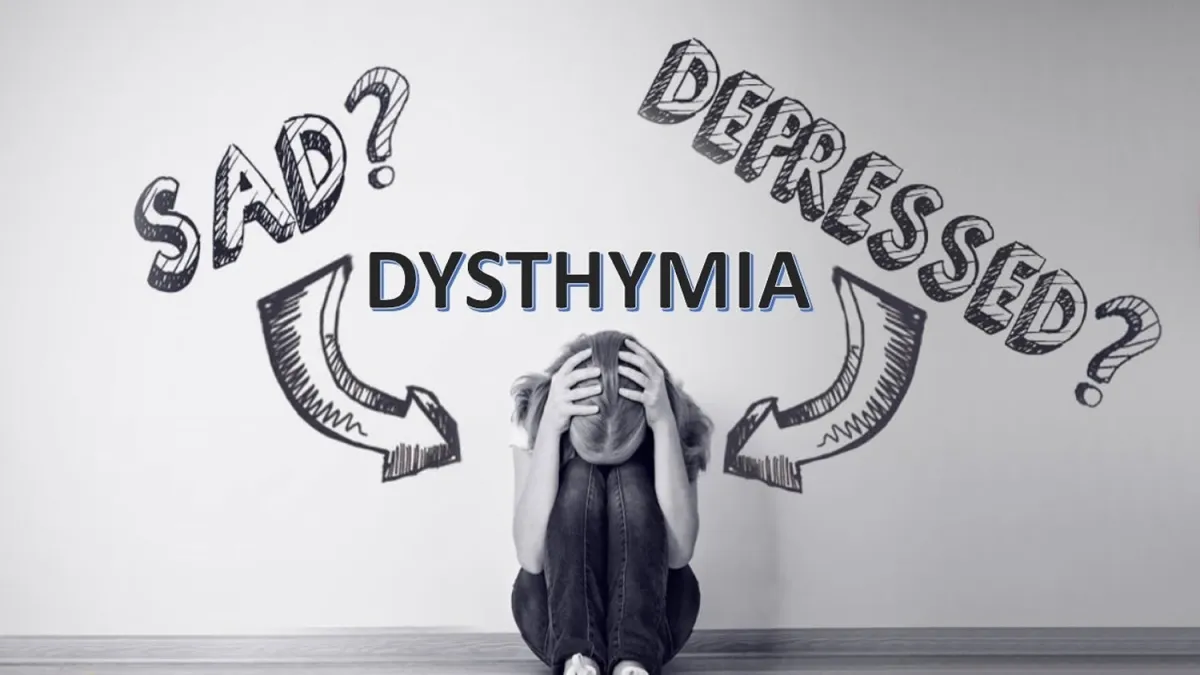
What Is Dysthymia (Persistent Depressive Disorder)?
Dysthymia is a long-term form of depression in which symptoms are present for at least two years in adults. While the intensity of symptoms may be milder than major depressive disorder, their chronic nature often leads individuals to believe that feeling low, tired, or unmotivated is simply part of who they are.
Because dysthymia develops gradually, many people live with it for years without diagnosis or treatment, even though effective psychiatric care is available.
Common Symptoms of Dysthymia
Symptoms of dysthymia are persistent and may vary in intensity over time. Individuals may experience a continuous low or depressed mood, reduced interest or pleasure in daily activities, chronic fatigue or low energy, difficulty concentrating, poor self-esteem, feelings of hopelessness, irritability, and changes in sleep or appetite.
Some individuals with dysthymia may also experience episodes of major depression, a condition commonly referred to as double depression, which can further complicate diagnosis and treatment.
What Causes Dysthymia?
There is no single cause of dysthymia. Instead, it typically develops due to a combination of biological, psychological, and environmental factors.
From a biological perspective, imbalances in brain neurotransmitters involved in mood regulation- such as serotonin and norepinephrine may play a role. Genetics can also contribute, as individuals with a family history of depression or mood disorders may have a higher risk.
Psychological and environmental factors, including long-term stress, early life adversity, chronic medical conditions, trauma, or ongoing interpersonal difficulties, can increase vulnerability. Over time, these factors may lead to entrenched negative thought patterns and emotional responses that sustain depressive symptoms.
How We Can Help?
Diagnosis & Evaluation for Dysthymia
Diagnosing dysthymia involves a comprehensive psychiatric assessment, including a detailed review of mood symptoms, duration, functional impact, personal and family mental health history, and prior treatment responses. Because dysthymia can overlap with anxiety disorders, major depression, or medical conditions, careful evaluation is essential.
Accurate diagnosis allows for targeted treatment and helps avoid under-treatment or misdiagnosis of chronic depressive symptoms.
Treatment Options for Dysthymia
Effective treatment for dysthymia often requires a multimodal approach, particularly due to the long-standing nature of the condition.
Medication Management
Antidepressant medications may be used to help regulate mood, improve energy levels, and reduce emotional numbness. Medication selection is individualized based on symptom profile, medical history, and prior response to treatment. Ongoing monitoring allows for adjustments to optimize effectiveness while minimizing side effects.
Psychotherapy and Cognitive Behavioral Therapy (CBT)
Psychotherapy plays an important role in dysthymia treatment. Cognitive Behavioral Therapy (CBT) is commonly recommended, as it helps individuals identify and modify long-standing negative thought patterns, improve coping strategies, and develop healthier emotional responses. Therapy can be especially valuable in addressing the cognitive and behavioral patterns that maintain chronic depression.
Lifestyle and Supportive Interventions
In addition to medication and therapy, lifestyle factors such as sleep regulation, stress management, physical activity, and social support can significantly influence mood stability. While these interventions alone may not resolve dysthymia, they can enhance treatment outcomes when integrated into a comprehensive care plan.
Long-Term Management of Persistent Depressive Disorder
Because dysthymia is a chronic condition, long-term psychiatric care is often beneficial. Regular follow-up appointments allow for monitoring symptom changes, adjusting treatment strategies, and addressing life stressors that may affect mood over time.
The goal of long-term management is not only symptom reduction but also improved functioning, emotional resilience, and quality of life.
Why Choose Comprehensive Psychiatry for Dysthymia Care
Care is led by Dr. Imran Akram, MD, a board-certified adult and geriatric psychiatrist with more 11 years of experience treating mood disorders and other mental health problems. Our approach emphasizes thorough evaluation, evidence-based treatment, continuity of care, and ethical psychiatric practice focused on long-term patient well-being.
Dysthymia Treatment in Reston and Across Virginia
Our psychiatric practice is based in Reston, Virginia, providing in-person care to individuals from surrounding communities. Through secure telepsychiatry services, we also offer dysthymia evaluation and treatment to patients throughout Virginia, ensuring access to consistent psychiatric care regardless of location.
Request a confidential Dysthymia consultation today
If you have experienced long-standing depressive symptoms that have become part of daily life, a psychiatric evaluation can help clarify the diagnosis and explore effective treatment options.