Autism Spectrum Disorder (ASD) Specialized Treatment in Reston, Virginia
Compassionate psychiatric care for children, adolescents, and adults with autism across Virginia.
Understanding Autism Spectrum Disorder and Psychiatric Care in Virginia
Autism Spectrum Disorder (ASD) is a neurodevelopmental condition that affects social interaction, communication, emotional regulation, and behavior. While autism itself is not a mental illness, many individuals with ASD experience co-occurring psychiatric symptoms that significantly impact daily functioning, relationships, academic performance, and quality of life.
At Comprehensive Psychiatry in Reston, Virginia, autism spectrum disorder is evaluated and treated by a board-certified psychiatrist with experience in both developmental and psychiatric conditions. Our focus is on accurate diagnosis, identifying associated mental health concerns, and providing individualized psychiatric treatment that supports emotional stability and long-term well-being.
What Is Autism Spectrum Disorder (ASD)?
Autism Spectrum Disorder is a lifelong condition characterized by differences in how the brain processes social information, language, emotions, and sensory input. The term “spectrum” reflects the wide range of strengths and challenges individuals may experience — from mild social difficulties to more complex behavioral and emotional needs.
According to the National Institute of Mental Health (NIMH), autism typically begins in early childhood, though many adolescents and adults are diagnosed later when social, emotional, or occupational challenges become more noticeable. Autism is not caused by trauma, parenting style, or vaccines, and it affects individuals of all ages.
Autism Spectrum Disorder: Symptoms, Causes, and Psychiatric Care
Common Symptoms of Autism Spectrum Disorder
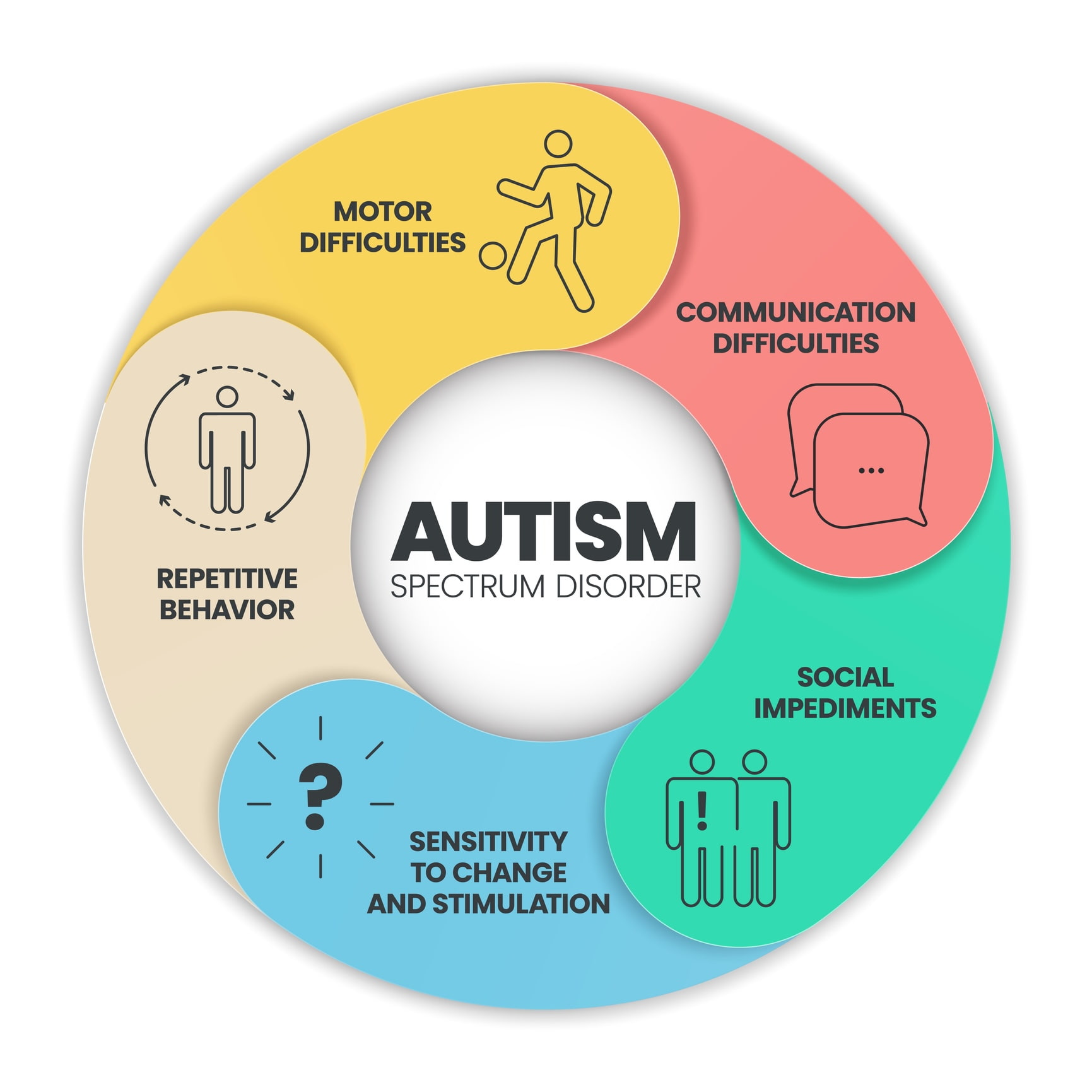
Individuals with ASD may experience persistent challenges with social communication, emotional regulation, and behavioral flexibility. These symptoms vary widely but may include difficulty understanding social cues, challenges with conversation or relationships, rigid routines, repetitive behaviors, and heightened sensitivity to sounds, lights, or textures.
Emotional symptoms such as anxiety, irritability, emotional outbursts, or difficulty coping with change are also common, particularly during adolescence and adulthood when social demands increase.
Causes and Risk Factors of Autism Spectrum Disorder
The exact cause of autism spectrum disorder is not fully understood. Research from organizations such as NIMH indicates that ASD is likely related to genetic factors and differences in early brain development. A family history of autism or related developmental conditions may increase risk.
Autism is not caused by psychological stress, environmental toxins, or childhood experiences.
Can a Psychiatrist Treat Autism Spectrum Disorder?
Yes. Psychiatrists play a key role in the evaluation and treatment of autism spectrum disorder, particularly when emotional, behavioral, or mental health symptoms are present.
While autism itself is not “cured,” psychiatric care helps manage co-occurring conditions such as anxiety, depression, ADHD, sleep disorders, emotional dysregulation, and behavioral challenges. Proper psychiatric treatment can significantly improve daily functioning, emotional stability, and overall quality of life for individuals with ASD.
Our Approach to Autism Spectrum Disorder Treatment and How We Help
Comprehensive Psychiatric Evaluation for Autism Spectrum Disorder
We begin with a detailed psychiatric evaluation that reviews developmental history, behavioral patterns, emotional functioning, and co-occurring mental health conditions. This evaluation helps clarify the autism diagnosis and identify associated challenges such as anxiety, mood disorders, ADHD, or sleep disturbances that often require psychiatric care
Medication Management for Autism-Related Psychiatric Symptoms
When appropriate, medication management is used to help reduce psychiatric symptoms commonly associated with autism spectrum disorder, including anxiety, irritability, emotional dysregulation, attention difficulties, and sleep problems. Medications are prescribed cautiously and monitored closely, especially for children and adolescents, to ensure safety and effectiveness.
Long-Term Symptom Management and Ongoing Psychiatric Care
Autism is a lifelong condition, and many individuals benefit from ongoing psychiatric support. We focus on long-term symptom management to help patients cope with emotional stress, behavioral challenges, social demands, and life transitions. Treatment plans are adjusted over time to reflect changing needs across different stages of life.
Telepsychiatry Services Across Virginia
To improve access to specialized autism-related psychiatric care, we offer secure telepsychiatry services throughout Virginia. This allows patients and families to receive consistent, high-quality care from home, reducing barriers related to travel, scheduling, or geographic location.
Why Patients Trust Comprehensive Psychiatry
Patients and families choose Comprehensive Psychiatry for autism spectrum disorder care because of our clinical expertise, thoughtful approach, and commitment to compassionate treatment. We bring experience in treating both pediatric and adult patients with ASD and understand the complexities of co-occurring mental health conditions.
Our care emphasizes clear communication, careful monitoring, and respect for dignity and quality of life. We also offer telepsychiatry services across Virginia, making specialized autism-related psychiatric care more accessible.
Serving Reston and All of Virginia
Comprehensive Psychiatry provides autism spectrum disorder evaluations and treatment in Reston, Virginia, and through secure telepsychiatry services across the state of Virginia.
Schedule a Confidential Autism Spectrum Disorder Evaluation
If you or your child is experiencing symptoms of autism spectrum disorder or related emotional and behavioral challenges, professional psychiatric care can help.
Schedule a confidential autism spectrum disorder evaluation today and take the next step toward compassionate, individualized psychiatric care.