
Attention-Deficit/Hyperactivity Disorder (ADHD) is often associated with childhood, but research over the past two decades shows that ADHD frequently continues into adulthood. Many adults live for years with symptoms such as difficulty concentrating, chronic disorganization, and impulsive decision-making without realizing that ADHD may be the underlying cause.
According to the National Institute of Mental Health, ADHD is a neurodevelopmental disorder that affects attention, executive functioning, and impulse control. While symptoms often begin in childhood, they may persist into adulthood or sometimes go unrecognized until later in life.
Understanding adult ADHD symptoms and the diagnostic process is the first step toward finding effective treatment and improving daily functioning.
This guide explores:
- the most common symptoms of adult ADHD
- how ADHD affects work, relationships, and emotional health
- how psychiatrists diagnose ADHD in adults
- when to seek professional help
What is Adult ADHD?
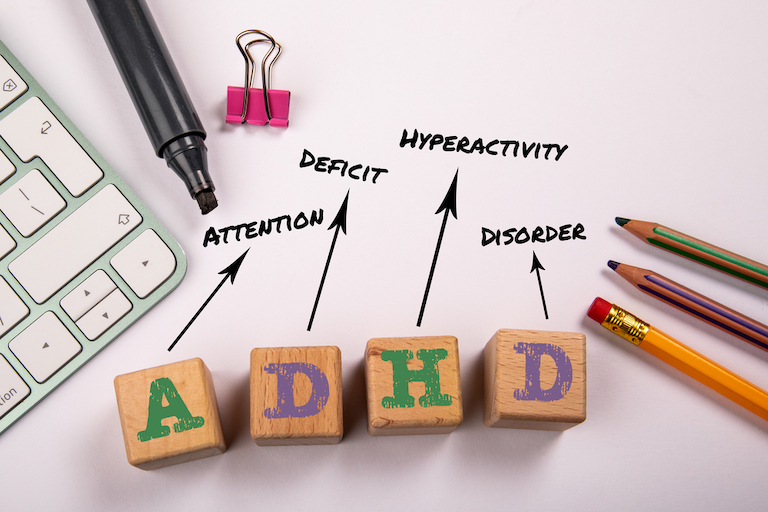
Attention-Deficit/Hyperactivity Disorder is a neurological condition involving differences in how the brain regulates attention, planning, and self-control.
The National Institutes of Health explains that ADHD involves alterations in neural networks responsible for executive function, including attention regulation, working memory, and impulse control.
In childhood, ADHD often appears as hyperactivity or difficulty sitting still. In adults, however, the symptoms usually look different.
Adult ADHD may present as:
– chronic disorganization
– difficulty finishing tasks
– frequent forgetfulness
– mental restlessness
– difficulty prioritizing responsibilities.
Many adults describe feeling mentally overwhelmed by everyday tasks that others seem to manage easily.
How Common Is ADHD in Adults?
ADHD is not rare among adults.
Studies cited by the National Institute of Mental Health estimate that approximately 4–5% of adults in the United States live with ADHD.
However, many adults remain undiagnosed. Some were never evaluated during childhood, while others were misdiagnosed with conditions such as anxiety or depression.
Because ADHD symptoms can overlap with other mental health conditions, professional evaluation by a qualified ADHD psychiatrist is often necessary for accurate diagnosis.
Common Symptoms of ADHD in Adults
Adult ADHD symptoms generally fall into three main categories:
- inattention
- impulsivity
- hyperactivity or internal restlessness
Not every person with ADHD experiences the same symptoms, and the severity can vary significantly.
Below is a deeper look at how ADHD symptoms commonly appear in adults.
Inattention Symptoms in Adult ADHD
Inattention is one of the most common and disruptive ADHD symptoms in adults.
Unlike simple distraction, ADHD-related inattention involves persistent difficulty maintaining focus, especially on tasks requiring sustained mental effort.
Adults with inattentive ADHD may experience:
Difficulty sustaining attention
Long meetings, reading assignments, or detailed tasks may become extremely difficult to complete.
Frequent forgetfulness
People with ADHD often forget appointments, deadlines, or where they placed everyday items such as keys, phones, or documents.
Disorganization
Workspaces, schedules, and digital files may become cluttered or chaotic despite repeated attempts to organize them.
Trouble completing tasks
Many adults with ADHD start projects with enthusiasm but struggle to finish them.
Easily distracted
External stimuli such as background noise or internal thoughts can interrupt concentration frequently.
These symptoms often lead to frustration, especially when individuals know they are capable but feel unable to maintain consistent focus.
Impulsivity in Adults With ADHD
Impulsivity involves acting quickly without fully considering consequences.
In adults, impulsivity can affect both professional and personal decisions.
Common impulsive behaviors may include:
- interrupting conversations frequently
- making quick decisions without planning
- difficulty waiting in lines or meetings
- overspending or risky financial choices
- reacting emotionally before thinking through a situation
Impulsivity can create challenges in workplace environments and relationships, where patience and careful decision-making are often required.
Hyperactivity and Mental Restlessness
Hyperactivity in adults is often less visible than in children.
Instead of physical movement, many adults experience internal restlessness.
Symptoms may include:
- feeling constantly “on edge”
- difficulty relaxing
- needing to stay busy all the time
- talking excessively during conversations
- pacing or fidgeting frequently
Adults with ADHD sometimes describe their minds as “always running”, making it difficult to slow down or focus on a single task.
Emotional Symptoms of ADHD in Adults
While ADHD is primarily known for attention difficulties, emotional regulation is also frequently affected.
Adults with ADHD may experience:
- frustration with unfinished tasks
- low self-esteem from years of academic or work struggles
- heightened sensitivity to criticism
- mood fluctuations related to stress
These emotional challenges often lead individuals to seek help from a psychiatrist.
Because ADHD symptoms overlap with other mental health conditions, professional evaluation is important to determine whether ADHD is the primary cause.
How Adult ADHD Affects Daily Life
ADHD can influence many aspects of everyday functioning.
For adults balancing work, family, and personal responsibilities, untreated ADHD can create significant stress.
Common areas affected include:
Work Performance
Difficulty managing deadlines, staying organized, or maintaining focus can impact productivity and career advancement
Relationships
Impulsivity, forgetfulness, or difficulty listening attentively may create misunderstandings in personal relationships
Financial Management
Impulsive spending or difficulty organizing bills can lead to financial challenges.
Time Management
Adults with ADHD frequently underestimate how long tasks will take, resulting in chronic lateness or missed deadlines
Can ADHD Be Confused With Other Conditions?
Yes. ADHD symptoms can overlap with several other mental health or medical conditions such as:
- anxiety disorders
- depression
- sleep disorders
- learning disabilities
- stress-related concentration problems
According to the National Institute of Mental Health, careful evaluation is necessary to differentiate ADHD from other conditions that may affect attention and executive functioning.
This is why ADHD diagnosis should be performed by a qualified mental health professional such as a psychiatrist or psychologist.
Read our complete guide on: ADHD Versus Anxiety in Adults and How Psychiatrist Tell the Difference
How Adult ADHD Affects Daily Life
Diagnosing ADHD in adults involves a comprehensive clinical evaluation rather than a single test.
A psychiatrist typically reviews several factors during the diagnostic process.
Clinical Interview
The psychiatrist asks detailed questions about daily routines and responsibilities, current symptoms, work and academic challenges, and childhood behavior patterns.
Developmental history
Because ADHD symptoms usually begin in childhood, clinicians often review early behavioral patterns or school experiences
Screening tools
Validated ADHD questionnaires may be used to assess symptom severity and patterns.
Evaluation of other conditions
The psychiatrist also screens for anxiety, depression, sleep disorders, or other conditions that might explain concentration problems.
A thorough diagnostic evaluation ensures that treatment is targeted toward the correct condition.
When Should Adults Seek ADHD Evaluation?
Adults may consider seeking an ADHD evaluation if they experience persistent symptoms such as:
- chronic difficulty concentrating
- frequent unfinished tasks
- disorganization affecting work or home life
- impulsive decision-making
- persistent feelings of mental overwhelm
Professional evaluation can help determine whether these challenges are related to ADHD or another condition.
Receiving a clear diagnosis often provides relief for individuals who have struggled for years without understanding the cause of their difficulties.
ADHD Psychiatric Care and Treatment Options
Psychiatrists play an important role in diagnosing and managing ADHD.
Because psychiatrists are medical doctors, they can evaluate both mental health symptoms and medical factors that may influence attention and behavior.
ADHD psychiatric care typically involves:
- comprehensive diagnostic evaluation
- medication management when appropriate
- monitoring treatment progress
- coordinating therapy or behavioral strategies
Working with an experienced ADHD psychiatrist ensures that treatment plans are based on current clinical evidence.
ADHD Treatment and Telepsychiatry
Modern telemedicine has expanded access to psychiatric care for many adults.
Through secure video consultations, patients can receive ADHD evaluations, treatment planning, and medication management without traveling to a clinic.
For individuals with demanding schedules or limited access to specialists, telepsychiatry offers a convenient and confidential way to receive care.
ADHD Evaluation and Treatment in Virginia, Maryland, and Washington DC
Adults experiencing ADHD symptoms may benefit from a professional psychiatric evaluation.
At Comprehensive Psychiatry, ADHD evaluation and treatment are provided by experienced psychiatric professional Dr. Imran Akram, MD.
Patients can receive ADHD care through:
- in-person consultations in Reston, Virginia
- secure telepsychiatry appointments from home
Telepsychiatric consultations are available for patients throughout:
- Virginia
- Maryland
- Washington DC
A comprehensive evaluation can help determine whether ADHD is affecting focus, productivity, or emotional well-being and identify effective treatment options.
If persistent attention difficulties, impulsivity, or disorganization are affecting your life, speaking with a qualified ADHD psychiatrist can provide clarity and effective treatment options.