Smoking Addiction & Smoking Cessation Treatment in Reston, Virginia
Psychiatric support to help overcome smoking addiction and nicotine dependence, serving patients across Virginia
Understanding Smoking Addiction and Psychiatric Treatment in Virginia
Smoking addiction, also known as nicotine addiction is a chronic condition driven by both physical dependence and psychological factors. Many people want to quit smoking but struggle with cravings, irritability, anxiety, mood changes, and relapse despite repeated attempts. Nicotine alters brain chemistry, reinforcing addictive behaviors and making it difficult to stop without medical support.
At Comprehensive Psychiatry in Reston, Virginia, smoking addiction is carefully evaluated and treated by Dr. Imran Akram, MD, a board-certified adult and geriatric psychiatrist. Treatment focuses on identifying the underlying drivers of nicotine dependence, addressing co-occurring mental health conditions, and developing a personalized smoking cessation plan using evidence-based psychiatric care. Services are available in Reston and statewide through secure telepsychiatry, making professional help accessible anywhere in Virginia.

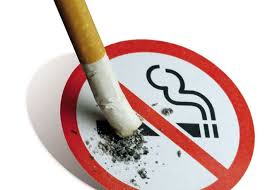
What Is Smoking Addiction?
Smoking addiction is a form of nicotine dependence in which the brain becomes reliant on nicotine to regulate mood, focus, and stress. Over time, the body adapts to nicotine exposure, leading to tolerance and withdrawal symptoms when smoking is reduced or stopped.
People with smoking addiction may experience strong cravings, irritability, restlessness, anxiety, difficulty concentrating, sleep disturbances, and depressed mood when attempting to quit. Because nicotine addiction affects both brain chemistry and behavior, successful smoking cessation often requires more than willpower alone. Psychiatric evaluation helps determine the severity of addiction and guides appropriate treatment.
Symptoms, Causes, and Psychiatric Care for Smoking Addiction
Common Symptoms of Smoking Addiction
Smoking addiction can present with persistent urges to smoke, unsuccessful attempts to quit, withdrawal symptoms such as anxiety or irritability, increased smoking during stress, and continued use despite known health risks. Many individuals also rely on smoking to manage mood, trauma responses, or concentration difficulties.
What Causes Nicotine Addiction?
Nicotine stimulates dopamine release in the brain, reinforcing reward pathways and creating dependence. Stress, anxiety, depression, trauma, social habits, and genetic vulnerability can increase the risk of smoking addiction and make quitting more challenging.
Can a Psychiatrist Help with Smoking Addiction?
Yes. A psychiatrist plays an important role in smoking cessation by evaluating nicotine dependence, identifying co-existing mental health conditions, and providing medical treatment to reduce cravings and withdrawal symptoms. Psychiatric care addresses both the biological and psychological components of addiction, improving the likelihood of long-term success.
Our Approach to Smoking Cessation and How We Help
Comprehensive Psychiatric Evaluation
PTSD treatment begins with a detailed psychiatric evaluation focused on trauma history, symptom patterns, duration, severity, and functional impact. This evaluation helps determine whether symptoms meet diagnostic criteria for PTSD and identifies related conditions that may influence treatment. A thorough assessment allows for accurate diagnosis and ensures that treatment is personalized rather than generalized.
Patients seeking a PTSD evaluation in Reston, Virginia or statewide through telepsychiatry receive careful, confidential assessment designed to guide effective long-term care.
Medication Management for Smoking Addiction
Medication management for smoking addiction may be recommended to reduce nicotine cravings, ease withdrawal symptoms, and stabilize mood during cessation. Treatment is carefully monitored and adjusted to support tolerability, effectiveness, and long-term success in quitting smoking.
Behavioral and Psychotherapy Integration
Psychiatric care may include integration with behavioral strategies and therapy-based approaches that help patients identify triggers, manage stress, and develop healthier coping mechanisms. This combined approach strengthens relapse prevention and supports sustained smoking cessation.
Ongoing Support and Relapse Prevention
Smoking addiction is often a chronic condition with periods of relapse. Ongoing psychiatric follow-up provides continued support, medication adjustments when needed, and strategies to maintain progress over time.
Telepsychiatry for Smoking Cessation Across Virginia
Secure telepsychiatry allows individuals across Virginia to access PTSD treatment from home. Online psychiatric care is especially helpful for patients who experience avoidance, anxiety about leaving home, or limited access to local specialists. Telepsychiatry provides the same level of confidentiality, evaluation, and medication management as in-person care.
Why Patients Choose Comprehensive Psychiatry for Smoking Addiction Treatment
Patients trust Comprehensive Psychiatry because smoking addiction treatment is led by a board-certified psychiatrist with experience managing nicotine dependence and co-occurring mental health conditions. Care is confidential, non-judgmental, and tailored to each individual’s needs rather than relying on generic quit-smoking advice.
By addressing both the mental health and medical aspects of smoking addiction, treatment focuses on sustainable change rather than short-term cessation attempts.




Smoking Cessation Services Serving Reston and All of Virginia
Comprehensive Psychiatry provides smoking addiction and smoking cessation treatment for patients in Reston, Virginia, and throughout the state via secure telepsychiatry. Whether you are trying to quit smoking for the first time or have struggled with relapse, professional psychiatric care can help.
Schedule a confidential smoking addiction evaluation today to begin personalized treatment and take the next step toward quitting smoking for good.